
Adult culture · Research history · Adults only
From Ancient Desire to AI Lovers: How Porn Evolved—and What Comes Next
Stone became ink. Ink became film. Film became data. Now the fantasy can answer back.

Give humans a wall and someone will draw a body on it. Give us paper and we will fold desire into a pocket. Give us a camera and—well, the tripod has barely stopped wobbling before somebody asks the model to take off a glove.
That is the saucy version of this history. The truer one is less like a victory march toward ever more explicit images and more like a relay race between makers, viewers, merchants, moral authorities, and the machinery of the day. Every new medium changes who can reproduce an intimate image, how far it can travel, who may see it in private, who gets paid, and who retains control after the image leaves the room. It opens one door and installs a bouncer at another.
There is no responsible way to crown a single object “the first porn.” Pornography is a modern, contested category. An image made for ritual, comedy, fertility, instruction, devotion, political insult, or private pleasure does not become pornography merely because a twenty-first-century viewer finds it arousing.
It is a history of reproduction, distribution, privacy, access, censorship, ownership, labor, consent, and control. Print made desire reproducible. Photography made it appear evidential. Film made it move. Home video gave the viewer a remote. The internet made the catalogue seem infinite. Cams made it responsive. Algorithms made it predictive. Generative AI is trying to make it personal.
And because the surviving archive favors empires, wealthy collectors, police seizures, and institutions that decided what was worth keeping, this is also a history with absences. The bodies we can see are not always the voices we can hear.
18+ notice: This article discusses adult media and sexual representation for historical and cultural analysis. It does not endorse age-ambiguous characters, illegal material, coercion, nonconsensual intimate imagery, or unauthorized real-person replicas.
Research note: Dates and interpretations are drawn from museum records, archives, peer-reviewed scholarship, statutes, regulators, and official technical sources checked through September 26, 2026. Where historians disagree—or the evidence cannot answer—we say so.
Legal note: Laws and platform duties change quickly and vary by jurisdiction; the legal status in this article was checked on September 26, 2026 and is general information, not legal advice.
AI-image disclosure: The featured image and two contemporary editorial illustrations on this page are AI-generated; all depicted people are fictional adults. Archival images are credited separately to their source institutions or creators.
Affiliate disclosure: EverLusty may earn a commission when you purchase through links on this page, at no additional cost to you. Commercial relationships do not determine the history, analysis, or conclusions.

1. Before Pornography: How Humans Recorded Desire
Stone has terrible metadata.
The Venus of Willendorf, made roughly 29,500 years ago, presents an emphatically female body. But the Natural History Museum Vienna is explicit about what the figurine does not tell us: its meaning cannot be established conclusively. Fertility emblem? Self-representation? Status object? Ritual instrument? Theories are plentiful. A user manual is not.

The Ain Sakhri figure, carved in calcite near Bethlehem around 11,000 years ago, seems to change as it turns in the hand: heads, limbs, and intertwined bodies appear and dissolve. The British Museum describes it as the oldest known sculpture of a couple making love while acknowledging how little can be securely recovered about its makers, the figures’ genders, or its purpose. “Ancient porn” would make a brisk headline. It would also flatten a mystery.
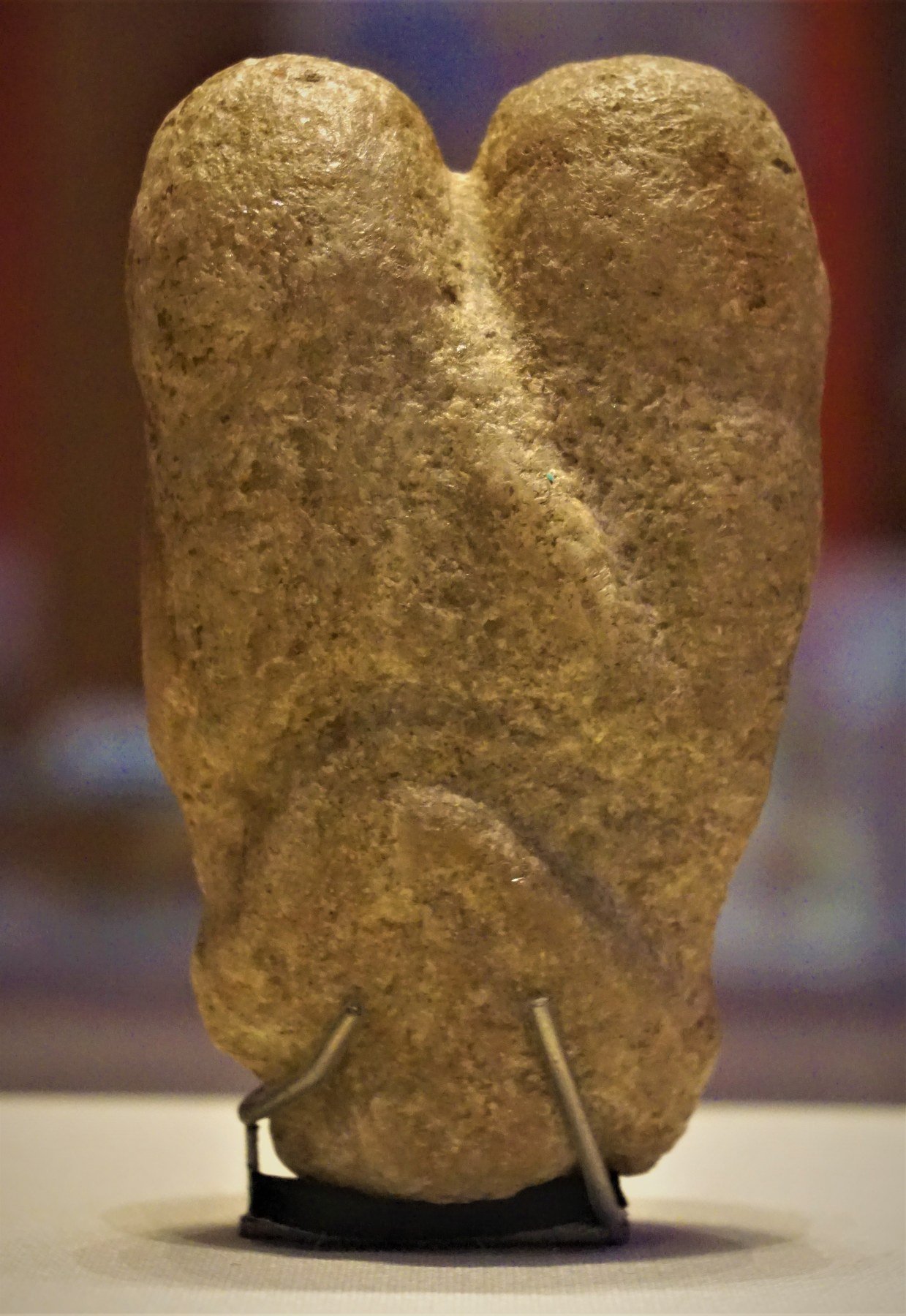
The archive itself is biased. Stone, fired clay, metal, and dry-cave fragments survive. Textiles, painted wood, bodily performance, spoken jokes, private marks, and perishable objects usually do not. What archaeologists possess is not everything people desired; it is what time failed to destroy and later collectors chose not to discard.
So the beginning is not a first image. It is a warning label: erotic content can be visible while erotic use remains unknowable. Sexuality, fertility, ritual, humor, power, pleasure, status, and identity can occupy the same object without politely sorting themselves into modern categories.
2. Sex, Ritual, Humor, and Power in the Ancient World
Ancient sexual imagery did not live in one adults-only aisle. It appeared in homes, temples, drinking rooms, tombs, workshops, literature, amulets, and jokes.
In Old Babylonian Mesopotamia around 1800 BCE, workshops made clay plaques with sexual scenes from moulds. A mould mattered: it allowed a design to be repeated instead of rebuilt from scratch. Yet the British Museum’s surviving examples do not explain whether they were decorative, protective, ritual, comic, pleasurable, or some untidy combination. Reproduction widened supply; it did not magically create a modern porn business.
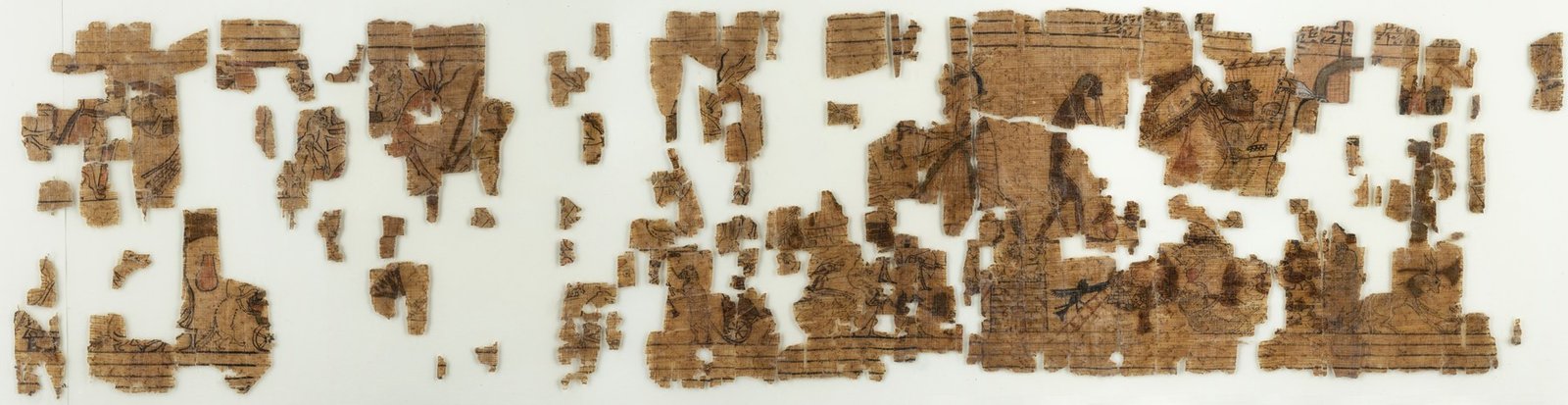
Egypt’s Turin Satirical-Erotic Papyrus is explicit, but it is also ridiculous on purpose: exaggerated bodies and improbable acrobatics share a scroll with animals parodying human society. Museo Egizio treats satire and social inversion as central to the work. The image may stimulate, mock, entertain, or destabilize authority. “Explicit” is a description. “Pornographic” is already an interpretation.
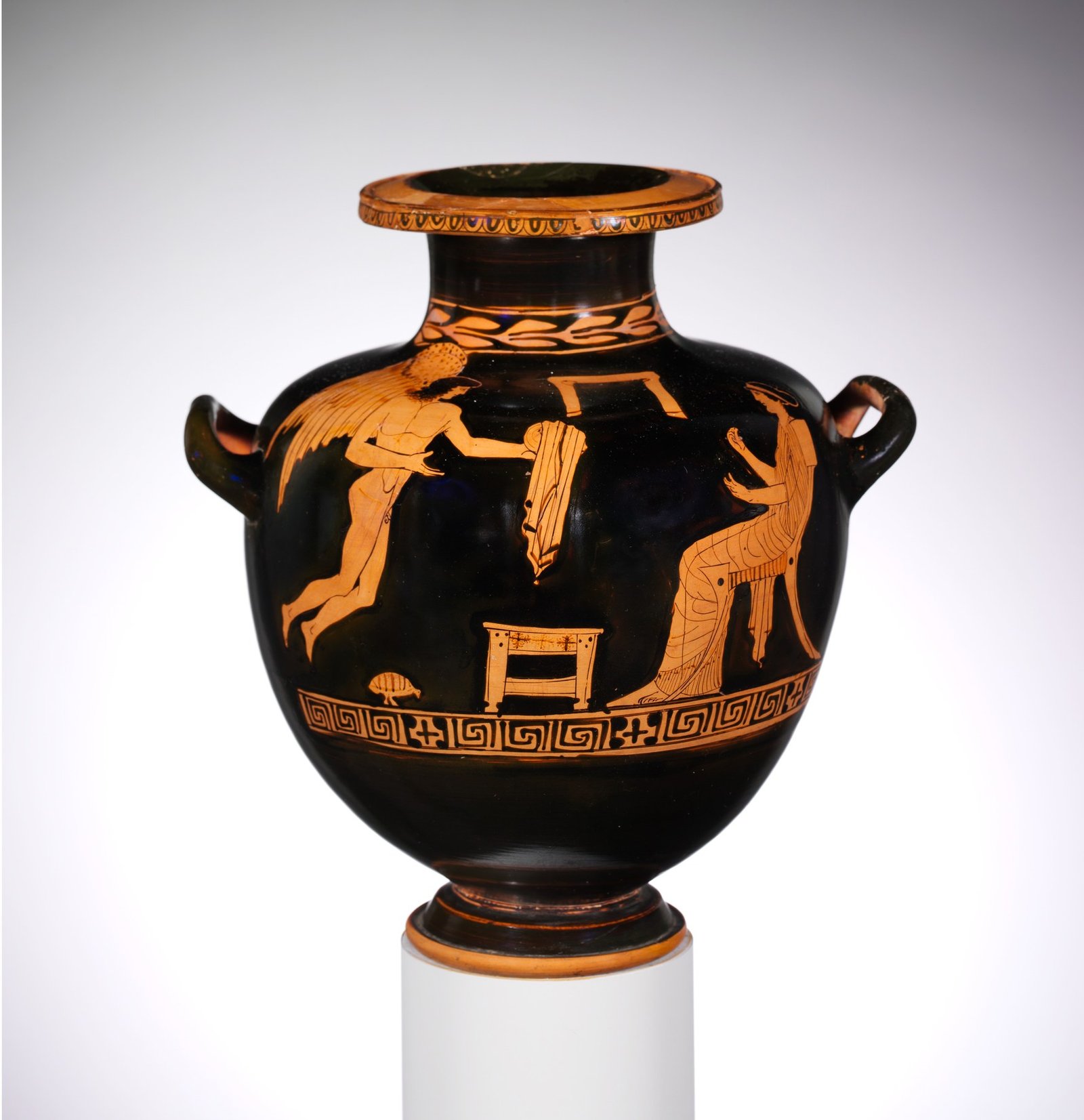
Greek painted cups brought sex into elite male drinking parties. The image could emerge as the vessel emptied, turning looking into a social performance. A scene’s roles, status differences, and intended audience matter as much as the act. In Roman towns such as Pompeii, sexual imagery appeared in houses, taverns, baths, brothels, and amulets; phallic symbols could be protective or auspicious as well as comic or suggestive.
Centuries later, curators in Naples gathered sexually themed Roman objects into a restricted “Secret Cabinet”, repeatedly closing and reopening it according to the politics of the day. The locked room did not uncover a timeless Roman category called pornography. It showed how modern museums manufacture categories by deciding who is mature, educated, male, respectable, or powerful enough to look.
On Peru’s north coast, Moche artists modelled sexual unions in ceramic vessels between roughly the first and eighth centuries CE. The Museo Larco situates them within reproduction, ancestors, death, and the underworld—not an isolated genre for private stimulation. Some entered tombs. Their audience may have included the living, the dead, and the divine.
At Khajuraho in India, built mainly between 950 and 1050 CE, erotic couples occupy only one part of a vast Hindu and Jain architectural program. UNESCO places sacred and secular readings beside one another. To crop the bodies out of their temples and call the result “temple porn” is to confuse our frame with theirs.
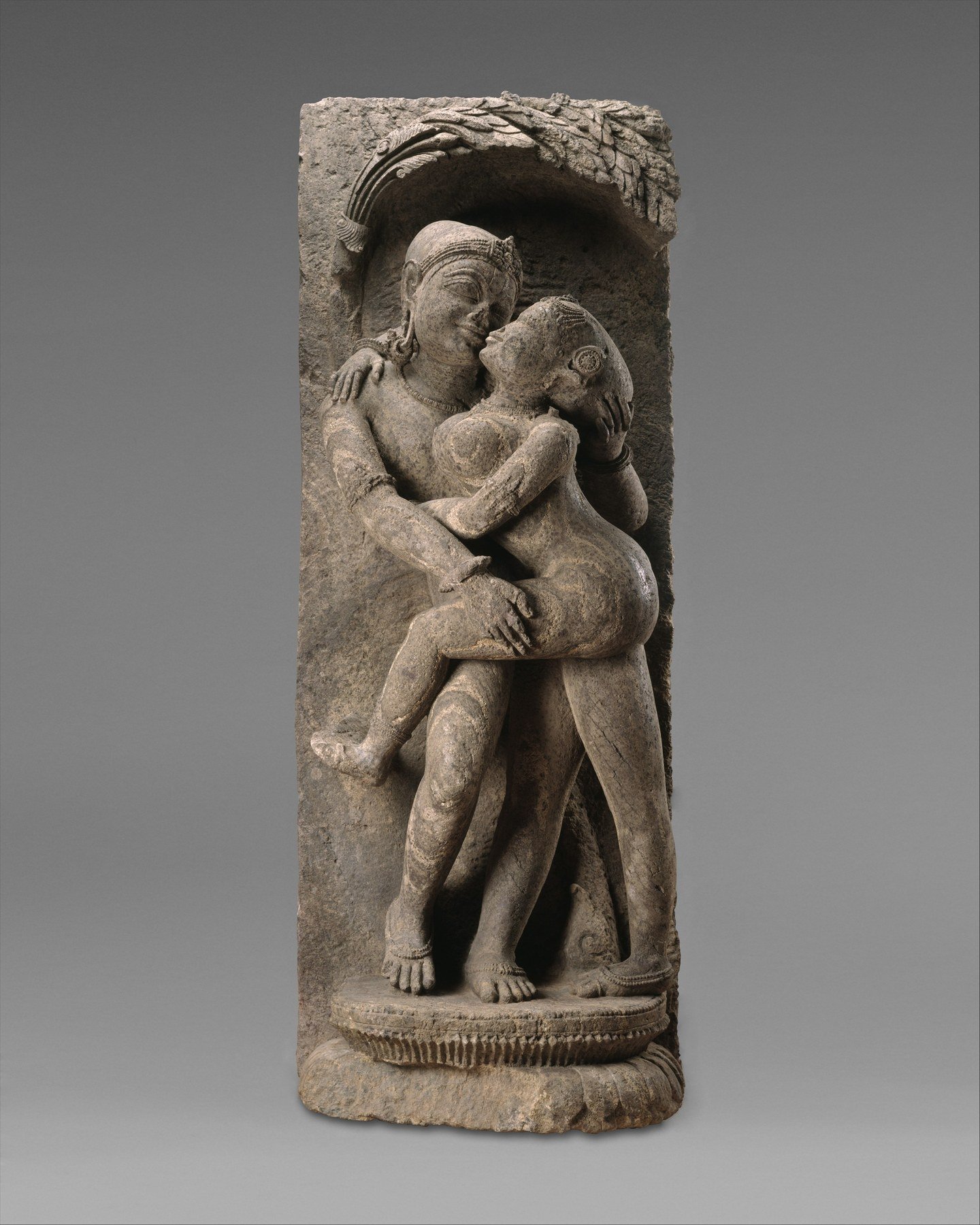
Sexual representation could be sacred and funny, public and restricted, pleasurable and political. Ancient societies were not uniformly liberated; their images belonged to institutions, hierarchies, and beliefs of their own.
3. Manuscripts, Literacy, and Restricted Access
Before industrial print, every additional copy demanded materials, skill, time, and a route between readers. A manuscript could travel, be translated, be read aloud, be hidden in a court or private collection. It could not be refreshed with a click.
South Asia’s kāmaśāstra tradition treated sensual pleasure as a field of cultivated knowledge entwined with courtship, status, household life, aesthetics, and social rules. The Kamasutra, compiled around the third century CE, is now packaged internationally as a gymnast’s checklist. That says as much about modern marketing as the text itself. It addresses a wider urban world of relationships, conduct, and pleasure, as the Cambridge World History of Sexualities explains.
Translation altered access and meaning. A famous nineteenth-century English version associated with Richard Burton filtered the work through colonial language and Victorian assumptions. Distribution is never neutral when the distributor gets to rewrite the body.
Early Chinese “bedchamber” texts, including material found in the Mawangdui tomb sealed in 168 BCE, placed sex inside systems of health, vitality, technique, and cultivated practice. They are closer to technical or medical-philosophical literature than evidence of a public entertainment market. Literacy, court or elite networks, language, and physical custody set the gate.
The same constraints shaped erotic poems, romances, medical works, devotional imagery, and private albums elsewhere. A manuscript might be exclusive because its owner intended it to be, or simply because copying was expensive. Public recitation could widen an audience, while censorship, loss, deliberate destruction, and fragile materials narrowed the archive we inherit.
Scarcity was not just an economic condition. It was a form of power. If only a court, monastery, educated elite, or collector could obtain the copy, they also controlled the interpretive room around it.
4. Print Made Desire Reproducible
Printing did not begin in Europe. The Chinese Diamond Sutra, dated 868, is the earliest complete dated printed book; the International Dunhuang Programme is a useful antidote to the lazy line that Gutenberg invented printing. European movable metal type nevertheless transformed that region’s scale, speed, and economics. Manuscript and print cultures overlapped for centuries, but the copy was learning to multiply.
Sexual media multiplied with it. Late-Ming illustrated erotica entered an urban book economy in China. In Edo Japan, shunga flourished in paintings, single sheets, albums, and woodblock books. The works could be comic, tender, instructional, fantastic, or arousing; they included married couples, sex workers, women and men, and male-male desire. Woodblock production made images repeatable, commercial lending libraries moved them, and official bans changed the route without ending the traffic. The British Museum’s shunga collection shows a market too varied to reduce to one purpose.
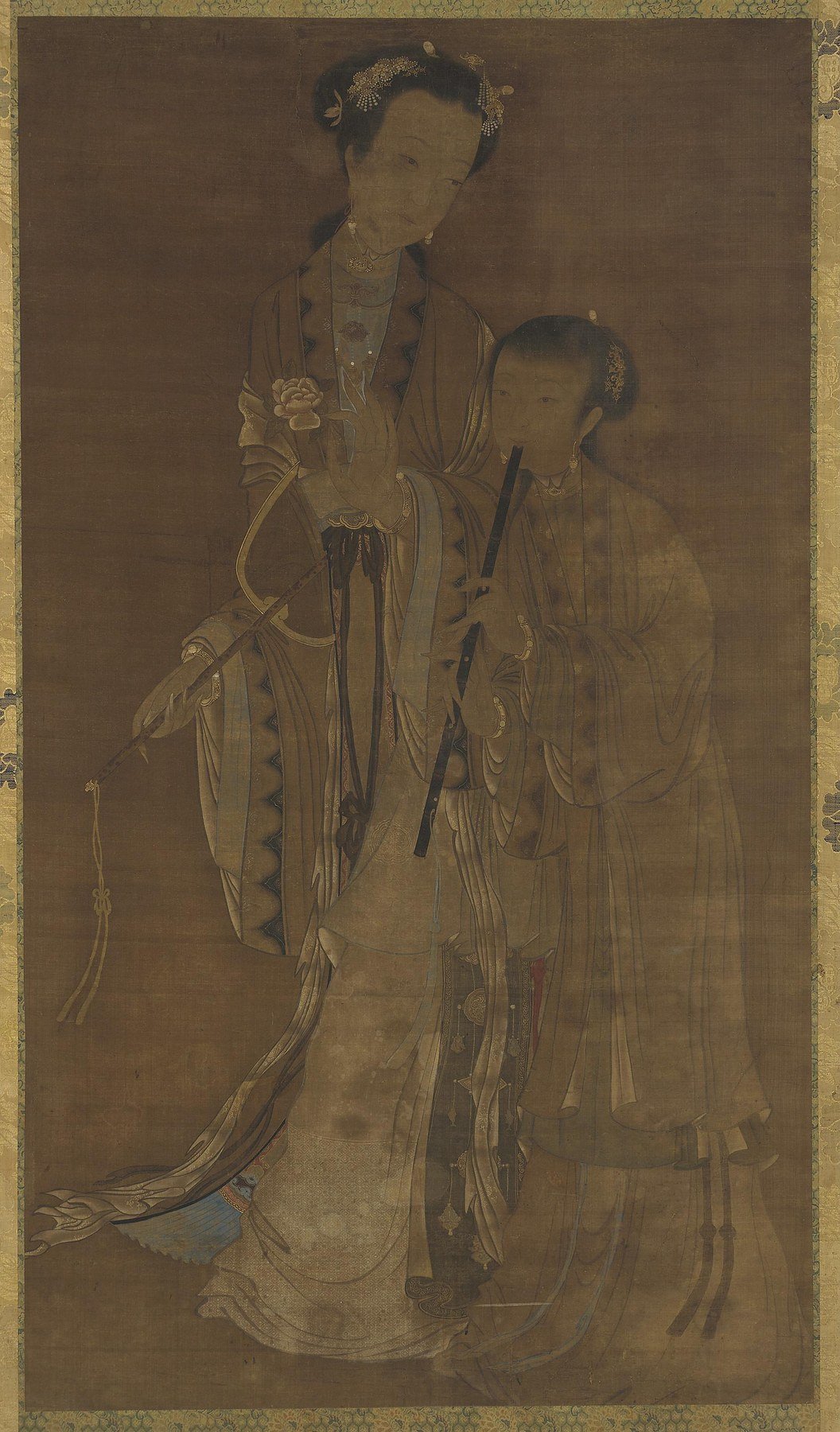

Nor were women merely pictured. Scholarship on shunga audiences finds evidence that women bought and viewed it too. That does not make every image egalitarian. It does break the lazy equation “erotic image equals male viewer.”
Renaissance Italy offers a sharper case of print colliding with authority. Around the 1520s, Marcantonio Raimondi engraved the sexual positions known as I Modi, later paired with Pietro Aretino’s explicit sonnets. Papal suppression and the survival of fragments demonstrate print’s double action: wider potential circulation and organized censorship. The British Museum preserves one damaged trace of a work power tried to erase.
By 1748–49, John Cleland’s Memoirs of a Woman of Pleasure, better known as Fanny Hill, could be printed, sold, pirated, prosecuted, and—centuries later—litigated before the U.S. Supreme Court. It is defensibly called one of the earliest original English pornographic novels, not the first. The qualification matters because the modern category was still forming.
Historians including Lynn Hunt and Walter Kendrick locate that formation in the collision of repeatable sexual representation, clandestine commerce, political and religious satire, libraries, museums, courts, and obscenity law. Erotic material is ancient. Pornography as a distinct commercial, legal, and curatorial category is not.
By the nineteenth century, cheap paper, mechanized presses, railways, and postal systems made sexual material a mass-market problem for the state. The U.S. Comstock Act of 1873 used the mail as a choke point and swept reproductive information into its obscenity regime. The postman, suddenly, was in the bedroom.
5. Photography Made the Fantasy Look Real
Photography intensified a seductive claim: this body was there.
When Louis Daguerre’s process was announced in 1839, each daguerreotype was a unique image on a silvered plate. Studios soon made nude and sexual tableaux. Later negative-and-print processes, stereographs, postcards, and albums made copies cheaper and more portable. The sexual image gained both apparent evidence and a scalable distribution network.
But a photograph is not the event itself. It is posed, framed, selected, reproduced, and sold. A model might agree to stand before one lens while having little power over later prints, new owners, altered captions, or a mail-order afterlife. The National Gallery of Victoria notes that the willingness of a sitter in one c. 1852 erotic image cannot now be established. The surviving picture confirms that someone posed; it does not independently establish the terms.
Mail order offered privacy and danger in equal measure. A buyer no longer needed admission to a salon, but the parcel traveled through an infrastructure that could inspect, confiscate, and prosecute. In 1874, police evidence in the trial of London photographer Henry Hayler included a catalogue listing more than 130,000 obscene photographs and 5,000 stereoscopic slides—a documented glimpse of scale, not an industry-wide census.
Photography’s realism also served empire. Colonial postcards packaged staged bodies as ethnographic fact for distant buyers, with identities and consent commonly absent from the record. The camera could expose a body to strangers while making the unequal terms of the encounter disappear.
Yet it could also serve private memory. Couples preserved themselves; queer people used portraits, booths, and instant cameras to make images outside hostile public culture. Technology did not settle the ethics. It raised the stakes over who controlled the negative, the caption, and the next copy.
6. Film Put the Body in Motion
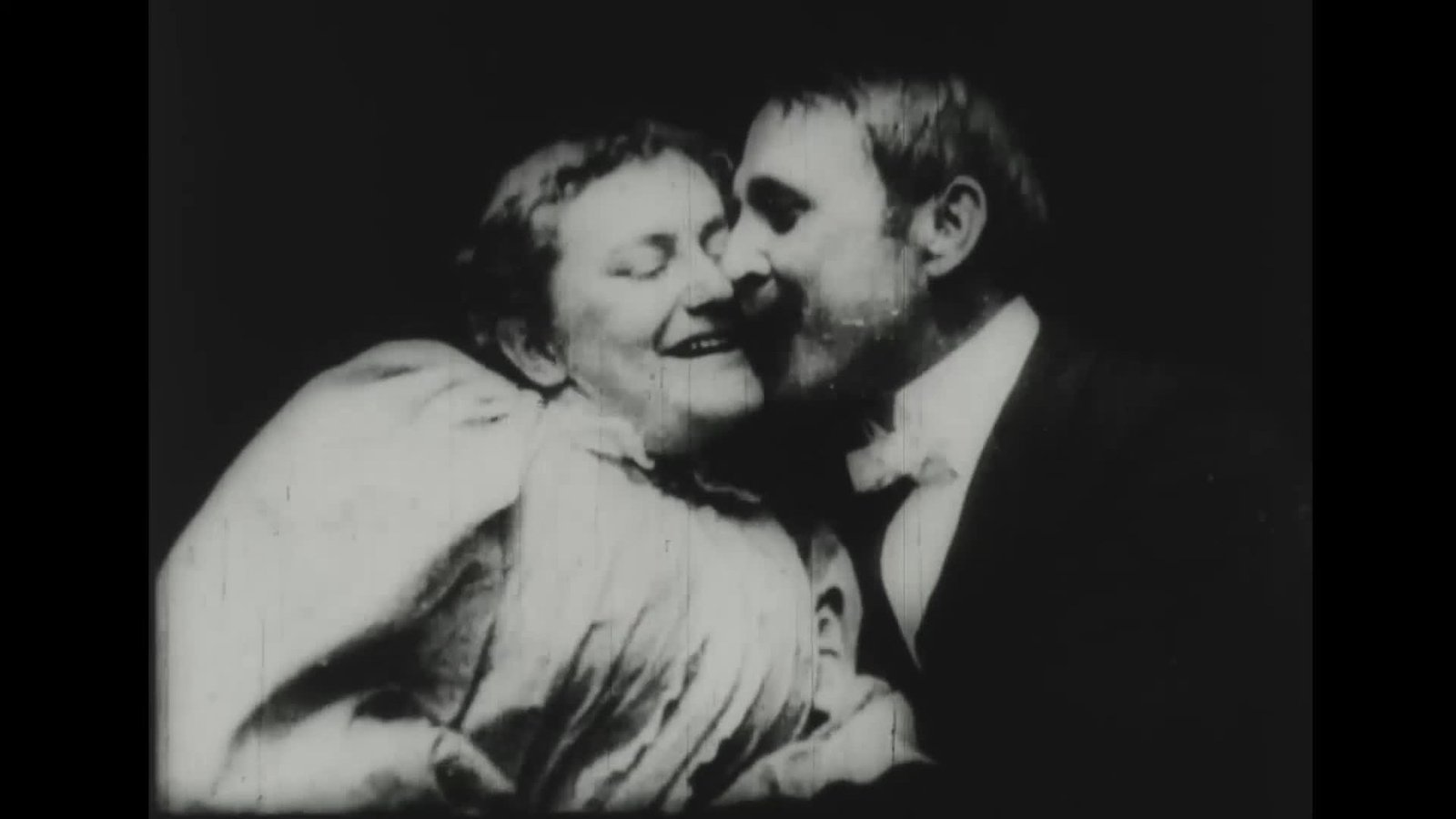
In 1896, The May Irwin Kiss enlarged a staged Broadway kiss for Edison’s camera. The Library of Congress records it as a popular early Vitascope attraction. It was provocative, not pornography. Its importance lies elsewhere: cinema made intimacy repeatable, public, and larger than life.
Explicit films circulated through more clandestine circuits—private clubs, brothels, fairs, back rooms, and male “stag” gatherings. “Stag” was a shifting exhibition label that could also cover boxing, comedy, dancers, and glamour; it was not a timeless synonym for hardcore film. A Free Ride, commonly dated to about 1915, is often identified as the earliest surviving U.S. hardcore film, but its exact date, authorship, and production circumstances remain uncertain. “Earliest surviving” is not “first ever.”
Film changed the encounter. Movement exposed gesture and duration. Editing controlled pace. A print could repeat the same performance across cities, but it was costly and cumbersome enough to keep distributors and exhibitors powerful. The projectionist controlled speed and access; the audience surrendered privacy to the room; the performer might have no control over where a reel traveled.
The 1960s and early 1970s brought sexploitation films, queer adult features, and then a limited theatrical window in which titles such as Deep Throat, Behind the Green Door, and The Devil in Miss Jones received unusual mainstream attention. “Porno chic” described a conversation, not universal acceptance. In 1973, Miller v. California created the modern U.S. obscenity test, while Paris Adult Theatre I confirmed that an adults-only venue was not automatically exempt. Porn had not been nationally legalized; it had become a very public jurisdictional fight.
The feature-film era produced scripts, sets, named performers, recognizable directors, and genre ambitions. It did not guarantee fair pay, residuals, safe conditions, or control over reuse. Linda Boreman later testified that Chuck Traynor coerced her participation in Deep Throat. Her account should be treated as documented testimony, not generalized to every production—and the film should not be treated as an uncomplicated liberation fable.
The relevant labor question is not merely whether someone appeared voluntarily. It is who negotiated boundaries, controlled the production, owned the result, received repeat revenue, and could withdraw before release.
7. Magazines Turned Adult Media Into a Consumer Brand
After the Second World War, mass magazines made erotic looking serial: a fresh issue, a familiar logo, a recurring purchase tucked under an arm or wrapped for the mail. Glossy printing sold aspiration as much as nudity—fiction, interviews, advice, furniture, cocktails, consumer goods, and a whole lifestyle arranged around the promised body.
That model made the reader part of an ongoing relationship with a brand. Letters, named models, editorial voice, clubs, advertisements, and merchandise created continuity long before a chatbot could remember a preference. The magazine was not merely a stack of pictures. It was a monthly world.
The newsstand also carried coded lifelines. Bob Mizer’s Physique Pictorial used bodybuilding and physique photography to circulate male erotic imagery and queer visual codes under censorship. ONE magazine was not pornographic, but its mailing battle shows how obscenity law suppressed queer speech more broadly: in 1958, the U.S. Supreme Court reversed a ruling used to exclude the gay magazine from the mail.
Queer adult media could commodify bodies while making desires and communities visible where mainstream media would not. Feminist production opened another front. In 1984, performer-turned-producer Candida Royalle co-founded Femme Productions; the same year, the women-run lesbian erotica magazine On Our Backs began publishing. These projects asked not only what appeared in the frame, but who held the camera, wrote the fantasy, owned the company, and imagined the audience.
They did not resolve the feminist “sex wars,” which were never a neat fight between two camps. Debates over harm, censorship, fantasy, agency, race, queer desire, labor, and representation crossed and contradicted one another. A woman director, diverse cast, or “authentic” aesthetic does not by itself prove informed consent or fair conditions. Ethics lives in process, contract, boundaries, pay, and power—not only visual style.
8. VHS Took Porn Home
The adult theater’s flirtation with respectability was dramatic. The cassette was more consequential.
Sony introduced Betamax in 1975; JVC introduced VHS in 1976. Home video moved adult film from collective darkness into living rooms and bedrooms. It also handed the viewer a small plastic scepter: pause, rewind, fast-forward, repeat, stop. A film no longer dictated its own tempo.
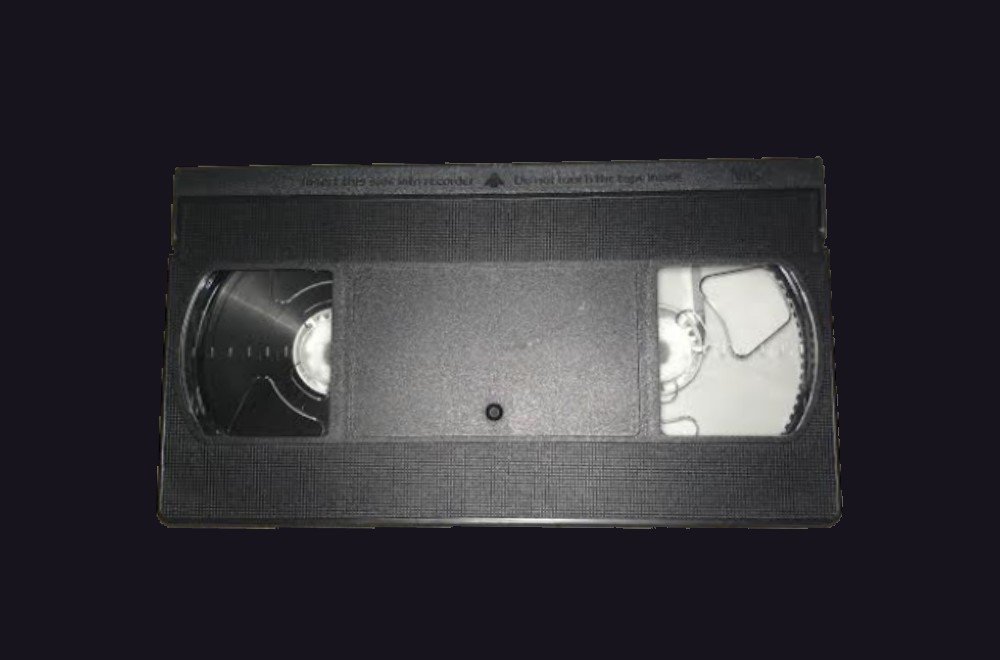
Renting or buying still meant crossing a shop floor, risking recognition, and storing an object. Yet viewing became domestic, asynchronous, and repeatable. Cheaper video production lowered barriers and expanded the catalogue. That could create new routes for small producers and performers; it could also accelerate work, intensify typecasting, and make old scenes profitable again without fresh permission or residuals.
The cassette increased control at one end of the chain while reducing it at another. The viewer gained command over the moment. The recorded worker could lose command over a lifetime of copying.
Myth check: Did porn make VHS defeat Betamax?
Adult video was an important early home-video market. It was not a lone assassin in a satin robe.
The strongest business history of the format war points to VHS’s longer recording time, broader manufacturer and licensing coalition, retail availability, production scale, and network effects. Adult material circulated on both formats. The clean claim—porn chose VHS and consumers followed—is overstated and historically disputed.
The better lesson is not that porn picked a winner. It is that home video transferred programming power from exhibitor to viewer. The owner of the remote could choose the hour, the scene, the repetition, and the stopping point.
Home viewing was private, but acquisition still left traces. Video stores kept membership and rental records. The disclosure of U.S. Supreme Court nominee Robert Bork’s rental history helped prompt the 1988 Video Privacy Protection Act. Long before cookies, the private viewer already had a data trail.
9. Cable, Pay-Per-View, and the Remote Control
Cable and hotel television removed the cassette from the errand. Addressable systems could sell a premium channel, a timed block, or one title from the couch or hotel bed. The unit of sale shifted from object to access.
The remote mattered more than it looked. It made choice immediate and domestic. No theater schedule. No drive to a store. No shelf space. Adult media entered ordinary consumer infrastructure while remaining scrambled, billed, regulated, and contested.
Privacy improved in one sense—no cashier, no public venue—and thinned in another. An addressable order was tied to a subscriber account or room. The content might appear under a discreet billing label, but the system still registered that somebody selected it. Analog scrambling also produced “signal bleed,” stray audio or images reaching unsubscribed households, which drove U.S. litigation over adult speech and child access.
The infrastructure owner became a decisive gatekeeper: cable operator, hotel, satellite service, billing provider. It controlled placement, price, security, and whether a channel existed at all. Viewers gained the remote; distributors gained addressability.
By the 1990s, the essential pieces of the next revolution were scattered across the carpet: abundant copies, private viewing, remote ordering, granular choice, and a distributor able to log demand. Then the cable box met the modem—and the copy stopped needing a truck, a shelf, or even a tape.
10. The Internet Destroyed Scarcity
The modem began its metallic mating call.
Pornography circulated online before the Web through bulletin-board systems, Usenet groups, FTP servers, and commercial services. It was slow, expensive, and surprisingly global. A single image might descend line by line while somebody prayed that no one picked up the telephone. Video was a short, grainy file you downloaded, not a stream you inhabited.
The 1996 U.S. case United States v. Thomas documents a subscription adult BBS operating from a California home and delivering files across state lines. That case captured the new regulatory headache: material could be legal or tolerated near its server and prosecutable where a remote user retrieved it. Geography had entered the phone line.
Early paid websites proved that recurring membership, digital downloads, affiliate traffic, and niche content could make money online. Adult entrepreneurs were aggressive commercial adopters. They did not invent encrypted web payments: the commonly cited early secure retail transactions in 1994 involved mainstream goods, and even the title of “first” remains disputed. The honest claim is interesting enough. Adult sites helped demonstrate that people would pay for digital content before much of publishing believed it.
Then peer-to-peer networks moved copying onto users’ computers. Broadband made large files practical. Search engines turned memory into query. And in the mid-2000s, tube platforms borrowed the grammar of user-generated video: upload, stream, tag, rate, recommend, repeat.
The scarce object became an effectively unlimited searchable database.
That was an industrial detonation. Viewers received enormous catalogues at little or no upfront price. Studios and performers saw scenes copied, clipped, detached from credits, and distributed beside amateur uploads with uncertain provenance. Advertising, premium upgrades, affiliates, and traffic funnels replaced some of the old logic of selling one tape or disc at a time. “Free” could mean paid for with attention, data, aggressive advertising—and somebody else’s uncompensated work.
The tube collapsed context as efficiently as it collapsed price. A scene once packaged with a title, performer credits, producer, and contract became a thumbnail floating among thousands. Who made it? Was every depicted person an adult? What did they agree to? Did that agreement include this edit, this platform, this country, and this permanent repost?
Piracy and free streaming damaged unit-sale and rental businesses; they did not end adult production. The industry diversified into memberships, cams, custom clips, creator subscriptions, merchandise, and free teasers designed to convert a fraction of a gigantic audience. Distribution power also concentrated in large, vertically integrated platform groups. The gatekeeper did not disappear. It became infrastructure.
11. Private Viewing Became Observable Data
Home video made viewing less socially visible. Networked media made it more computationally legible.
A theater could observe attendance without knowing precisely which second held a viewer’s attention. A rental shop could record a title. Cable could tie an order to an account. A streaming platform can potentially record searches, timestamps, devices, referral paths, clicks, pauses, skips, watch time, payments, and the journey from one category to another.
In a study published in 2020, researchers scanned 22,484 pornography sites and found that 93 percent transmitted data to a third party; only 17 percent yielded an extractable privacy policy. Roughly 45 percent of domain names exposed or suggested a specific sexual interest or identity. The *Tracking Sex* study was a historical crawl, not a live universal percentage for 2026. “Transmission” also does not prove that every recipient built a named profile. It does show why a visit to an adult site is not ordinary browsing data.
Private or incognito mode generally reduces what remains in the local browser. It does not make a user invisible to the site, internet provider, payment processor, or third parties embedded in a page. “Private from other users” is not the same as confidential from the company.
Age assurance tightens the knot. Keeping minors from adult services is a legitimate purpose. Requiring adults to connect identity documents, faces, or reusable identifiers to sexual browsing can create a valuable target for breaches, blackmail, and surveillance. The right design asks for the minimum fact—“this person satisfies the age threshold”—and retains as little as possible.
That approach is technically plausible. NIST’s privacy-enhancing technology work describes zero-knowledge proofs that can establish “over 18” without revealing an exact age. The European Commission first released its age-verification blueprint in July 2025; it became feature-ready in April 2026. It is designed so an online service can learn only that a user is over 18, although onboarding or proof issuance may still process identity data. A blueprint is not universal deployment, and “anonymous” remains a claim to audit, not a magic word.
The paradox is now complete. A person may be alone in a locked room while a chain of servers records the visit more precisely than any theater usher ever could.
12. Live Cams and Creator Platforms Made Porn Interactive
Recorded porn says, watch this. Camming says, you’re here.
Media scholar Angela Jones dates the erotic cam industry’s emergence to 1996, at the convergence of wider internet access and camgirl culture. A viewer could enter a public room, send a message, tip, pay for a private session, request a performance within stated boundaries, or activate a compatible device. Liveness recreated scarcity inside abundance: this performer, this mood, this moment.
The product was no longer only an image. It was human time, responsiveness, humor, flirtation, recognition, and the labor of maintaining a room.
That could redistribute power. Performers might set schedules, block users, define menus, work from home, and reach customers without a conventional studio. It could also hide the workplace. The person on screen may be managing harassment, platform rules, studio pressure, unstable income, piracy, chargebacks, moderation, and a ranking system that determines whether anyone sees the room.
Creator-subscription platforms extended the encounter asynchronously. A recurring fee could buy access to a feed, direct messages, locked posts, custom media, and a persistent creator identity. For many workers, direct-to-fan production offers genuine control over collaborators, boundaries, presentation, and archive income. It also makes one person the performer, producer, editor, marketer, accountant, moderator, copyright desk, and endlessly charming customer-service department.
The creator economy did not remove intermediaries. It made them quieter. Platforms set fees, discovery rules, acceptable-content policy, payout timing, and appeals. Banks and payment networks can become de facto regulators because access to ordinary payment rails determines whether the business exists.
Flexibility and exploitation are not mutually exclusive descriptions. Fairwork’s platform sex-work research documents autonomy alongside insecurity, harassment, content theft, doxxing, weak support, and limited collective representation. Organizations such as APAC and APAG articulate performer safety and labor demands, although neither represents every adult worker or commands an industry-wide agreement.
Consent in live media remains gloriously untechnical. A tip is not a blank check. Consent to a performance is not consent to every request. Recording a live session changes the bargain again, turning a passing encounter into a durable file.
And this is where the history begins to lean toward AI companionship. Cams and creator platforms proved that customers would pay not only for sexual content, but for attention and continuity around a recognizable figure. The decisive difference is that a human performer brings real agency, boundaries, emotion, and labor. An AI companion generates a simulation.
13. Algorithms Learned the Viewer
A shelf displays what an editor selected. A feed displays what a system predicts will keep you there.
Search, tags, trending pages, watch histories, and “related” recommendations turned the catalogue into a ranked environment. The interface began rearranging itself around recorded behavior before generative AI could create a new image.
Algorithms do not know desire. They infer likely engagement from metadata and past actions. That distinction matters because the inference can still exert power. A platform’s categories decide which identities appear ordinary, which are treated as fetishes, and which vanish into the miscellaneous drawer. Research on the platformization of gender and sexual identities found that profiling shaped site organization and recommendation.
Feedback loops follow. Material that already performs well receives more visibility; visibility creates clicks; clicks certify popularity. Creators may chase favored tags and formats. Viewers may receive an increasingly narrow version of what the system thinks they want. The slot machine has learned your pulse.
That does not mean a recommendation mechanically rewires every user. It means ranking is editorial power wearing statistical makeup. Responsible systems would offer meaningful history controls, exclusions, non-profiled or chronological options, reasons for recommendations, and enough research access to audit patterns without exposing individual sexual histories.
The economic shift is equally important. Behavioral data became an asset. A company could use streams not only to sell advertising or subscriptions, but to decide what to promote, acquire, commission, or imitate. The audience was no longer simply buying the product. Its behavior was helping design the next one.
14. VR, Interactive Media, and Connected Devices
Virtual reality does not merely enlarge the screen. It attempts to erase its edge.
Head tracking, spatial sound, and carefully placed cameras can create presence: the perceptual feeling of occupying a recorded or simulated space. A research review covering 23 works found that VR generally increased presence and sometimes arousal compared with two-dimensional viewing, while stressing that samples were limited and the field remained young. Presence is the supported claim—not universal benefit, harm, or superior intimacy.
Immersion can reveal more intimate data. A headset may process gaze, movement, voice, room geometry, or other behavioral signals. Such information can indicate not only what somebody selected, but what held their attention.
Interactive media then adds branches. A game responds to choices. A live performer responds as a human. A synchronized device follows a prepared timing script or software analysis. A remote partner moves a control. A generative system creates or selects content. These are different mechanisms with different consent and privacy questions.
Remote control is not AI. A partner moving a slider is connected play. Software mapping a video to motion is media synchronization. A model choosing device commands from a conversation is AI control.
Researchers writing about digitally mediated touch emphasize two layers of consent: consent between people to the physical control or touch, and consent to the platform’s collection, storage, and processing of the interaction data. The interface needs clear authorization, revocation, and a local stop. Romance is lovely. A hardware kill switch is also lovely.
15. Generative AI Changed the Product
Generative AI alters the basic transaction. The user no longer searches only for an existing fantasy. The system attempts to manufacture one in response to that individual.
Text can become an image, a voice, a story, a comic, or a short video. A user can specify a fictional adult character, visual style, setting, mood, camera instruction, and relationship role. A creator can prototype, localize, edit, or operate a synthetic extension of a brand. Adult-oriented services already combine subsets of chat, character creation, image and video generation, voice, group scenes, and persistent context.
The demos are seductive. The failure modes remain employed full-time. Identity can drift. Hands can mutate. Clothing and background objects can merge. Motion can break. A supposedly recurring character can return with a different face and the confidence of a stranger wearing your date’s coat. Identity-preserving video remains an active computer-vision research problem, not a solved checkbox.
Token systems introduce another economics: the customer pays not only for access, but for attempts. Failed generations, retries, longer video, higher resolution, upscaling, audio, and premium models can make the real cost difficult to see from a monthly headline.
The deeper fault line is identity. A wholly fictional synthetic adult raises questions about training data, ownership, disclosure, and platform policy. A digital double of an identifiable person adds consent, contract, likeness, publicity, and replica rights. A performer agreeing to a photograph does not thereby agree to face animation, voice cloning, every future scene, model training, or resale.
The U.S. Copyright Office says digital-replica protections contain gaps and copyright in AI-assisted work depends on identifiable human authorship. Its training report describes fair use as fact-specific amid active litigation. Paying for a generator is not a universal copyright deed.
Current law is tightening around harm and disclosure. Since May 19, 2026, the federal TAKE IT DOWN Act’s platform provisions have required covered platforms, according to FTC guidance, to provide a notice-and-removal process and remove validly reported qualifying intimate depictions as soon as possible and no later than 48 hours, while making reasonable efforts during that period to remove known identical copies. The Act covers certain realistic digital forgeries, but it does not make every unauthorized synthetic image the same legal case. In the European Union, AI Act Article 50 requires providers of systems that generate synthetic audio, images, video, or text to mark outputs in a machine-readable, detectable format, while professional deployers must disclose deepfakes as artificially generated or manipulated. These are distinct duties, and not every AI-generated image qualifies as a deepfake.
A synthetic label does not authorize a likeness. A provenance credential does not prove consent. It can show who signed a media history and whether that signed record changed; it cannot prove the depicted event happened or the person agreed.
See where adult AI is now
EverLusty’s best NSFW AI tools, AI image generators, and AI video generator comparison examine the present market. The synthetic-likeness investigation examines the contracts and consent questions beneath it.
16. The Fantasy Began to Remember
The most consequential AI feature may not be photorealism. It may be the phrase welcome back.
AI companions combine a recurring character with stored or retrieved context. They may retain a preferred name, a boundary, an invented history, the emotional weather of an earlier conversation, or a fictional relationship state. Voice and custom media can make that continuity feel embodied. The product is not merely a scene. It is a scene that appears to remember yesterday.
That memory is software: stored facts, summaries, retrieval systems, model context, and sometimes errors. Even a memory-focused service such as Nomi acknowledges inaccurate recall and retrieval failures. A remembered preference does not demonstrate consciousness. An empathetic sentence does not mean the system experiences empathy.
The subjective response can still be real. Studies of companion users report perceived companionship, self-disclosure, and attachment, but samples are often small or self-selecting and do not establish therapy or lasting relief from loneliness. Emerging research also finds mixed signals: emotional validation and social rehearsal can coexist with over-reliance, withdrawal, or distress. The correct conclusion is neither mockery nor salvation. Evidence on long-term effects remains incomplete.
The commercial model deserves equal attention. A relationship-style interface can wrap subscriptions, message limits, images, voice, video, and token purchases in emotional continuity. The most intimate asset may not be the generated picture. It may be the accumulated record of fantasies, preferences, uploads, voice, spending, and conversations.
Human cams and creators preceded this sale of continuity, but they are not interchangeable with it. A performer can genuinely care, refuse, improvise, tire, negotiate, and leave. A companion service simulates responsiveness under company rules. Product updates can alter the personality; a subscription lapse can lock the relationship behind a paywall; a shutdown can erase its memory.
For a deeper consumer analysis, see why people pay an AI girlfriend when porn is free and EverLusty’s adult companion guide.
17. The Screen Began Controlling the Body
Networked sexual devices translate digital signals into motion, pressure, or vibration. A remote partner can send commands. A live performer can connect tips to a device. Recorded content can carry a timing script. Computer vision can map visible motion to patterns. An AI companion or agent can select commands from conversation or context.
This is one of the rare futuristic ideas that arrived wearing Bluetooth.
For partners separated by distance and for some disabled users, connected devices can widen access to shared intimacy. They can make permission explicit: control granted to a particular person, limited by time, and revoked locally. Poor design can turn the same channel into a physical and privacy risk.
Connected intimacy inherits ordinary Internet-of-Things problems—authentication, encryption, software updates, vendor survival, cloud dependency—but the data and control channel are unusually sensitive. A 2024 review of 41 smart-toy papers found potential benefits alongside concerns about privacy, security, and nonconsensual control. NIST’s consumer IoT baseline offers useful general security principles; ISO 3533:2021 sets safety requirements for products in direct intimate contact. The existence of a standard does not prove that a named product complies.
Today’s most credible “physical AI” is not a walking lover. It is software analyzing media or conversation and selecting commands for connected hardware. The intelligence may be in the cloud, the movement in a dedicated device, and the body still entirely human.
EverLusty’s investigation of AI sex toys, smart devices, and sex robots separates currently available functions from prototype theater.
18. The Sex Robot Reality Check
The android lover remains a sensational headline because a chatbot cannot pose beside a trade-show banner.
Current embodied systems can combine cloud conversation, voice, eye or facial movement, head motion, lip synchronization, sensors, visual tracking, limited stored context, connected-device control, and a poseable or static body. These are meaningful engineering achievements. They are not humanlike autonomous partners.
As of September 2026, RealDoll markets waitlisted robot models with powered facial and neck movement on a manually repositioned, non-animatronic body. Realbotix offers quote-based conversational humanoid configurations but says none walks; only its full-body F-Series moves, on a manually controlled wheeled base. Lovense’s AI Doll remains an unreleased, under-development reservation product with an estimated $4,000–$8,000 price and an indicative Q1 2027 delivery window—not a released mass-market robot.
Natural autonomous walking, safe full-body intimate motion, humanlike touch, household navigation, robust perception, battery life, maintenance, and affordable manufacturing remain hard robotics problems. Genuine desire and consent are not product features waiting for a firmware update. A machine can execute a refusal script; there is no established evidence that it experiences wanting or not wanting.
The near-term “AI lover” is therefore more likely to be modular: a recurring cloud character connected to chat, generated media, a headset, and haptic hardware. The robot may arrive in pieces long before it walks through the door.
The hardware reality in one glance
-
Available or emerging: conversation, animated faces or heads, lip sync, gaze, sensors, poseable bodies, remote or AI-selected device commands, VR and media synchronization.
-
Still immature: autonomous walking, safe dexterous full-body interaction, humanlike tactile response, reliable long-term emotional modelling, ordinary household autonomy, low-cost mass production.
Pornography and Technology: Myth vs Reality
| Claim | Verdict | What the evidence supports |
|---|---|---|
| Porn made VHS defeat Betamax | Overstated / disputed | Adult video mattered, but recording duration, manufacturer alliances, licensing, retail supply, price, and network effects also mattered; adult titles existed on both formats. |
| Porn invented internet payments | Unsupported as invention; partly supported as adoption | Adult sites were early users of subscriptions, recurring billing, downloads, and affiliate traffic. They did not invent secure web commerce. |
| Porn created streaming video | Unsupported | General-purpose streaming technology predates mass adult tubes. Adult firms became aggressive commercial adopters. |
| Porn drove every major format | Overstated | Adult demand can produce early revenue, but standards, hardware, infrastructure, price, regulation, and mainstream supply determine adoption too. |
| Adult sites pioneered every major online feature | Unsupported | Some experimented early with billing, affiliates, live interaction, and streaming; many features emerged across gaming, retail, telecom, and mainstream media. |
| AI porn will inevitably replace human performers | Unsupported prophecy | Synthetic media may displace some work and create new markets, while human performance, licensed doubles, and hybrid production can coexist. |
Adult media has often been an aggressive adopter and commercial tester of communication technologies. It rarely acts alone. Convenience may bring it to the party; infrastructure decides whether the lights stay on.
What Comes Next: Scenarios, Not Prophecies
Technology moves quickly. Law, culture, business, and human improvisation routinely mug the confident futurist in a dark alley. These are evidence-based directions with confidence labels, not dates carved into chrome.

High confidence: deeper personalization
Generated images and short videos will become more consistent, cheaper, and easier to direct. Characters will move between chat, voice, image, and video with stronger within-platform memory. The evidence is visible in current multimodal services and active identity-preserving video research.
The barrier is not only compute. Continuity is a data-governance problem. Who owns the character history? Can the user export it? Can the creator revoke a licensed identity? What happens when the provider changes models or closes?
High confidence: stronger consent, provenance, and age systems
Pressure is already increasing around age assurance, likeness authorization, synthetic disclosure, takedowns, performer records, content provenance, and platform accountability. The TAKE IT DOWN Act, EU AI Act duties, state digital-replica laws, payment-network policies, NIST guidance, and C2PA standards point in the same general direction without creating one uniform regime.
Privacy-preserving proof of adulthood could reduce the need to scatter identity documents across adult services. Provenance systems could record authorized production histories. Neither is a moral oracle. Verification can be badly implemented, and a signed media chain cannot prove fair pay or meaningful consent.
Medium confidence: real-time generative experiences
Scenes may be produced during conversations rather than after a long render queue. Interactive stories could adapt pacing, viewpoint, dialogue, environment, and device control to user choices. A persistent character could inhabit text, voice, video, games, and VR.
The barriers are latency, cost, coherence, safety, and rights. A five-second demo is not a persistent world. Real time magnifies mistakes before a human editor can catch them.
Medium confidence: porn becomes less like a video
The dominant product for some users may be a character, world, game, relationship-style simulation, or mixed software-and-hardware service that happens to contain video. That follows the path from fixed scene to database to responsive system.
This will not erase passive viewing. Books did not kill images; film did not kill print; streaming did not kill every physical object. New media pile up in the bedroom like unusually ambitious houseguests.
Medium confidence: human and synthetic performers coexist
Some performers may license digital doubles for specified scenes, languages, territories, or time periods. Creators may operate fictional synthetic characters or AI-assisted versions of their brands. Human-led production can use AI for editing, localization, previsualization, and accessibility.
The responsible model is not “copy anyone.” It is specific consent, specific uses, compensation, disclosure, audit rights, and meaningful exit. Human-made work may even become a premium signal in a market flooded with synthetic abundance.
Low confidence: affordable autonomous robotic partners
Better facial expression, recognition, sensors, limited motion, and connected environments are plausible. Affordable, safe, dexterous, walking adult humanoids in ordinary homes within a few years are not supported by the present hardware.
Robotics, power, maintenance, physical safety, hygiene, privacy, and cost all refuse to be solved by a persuasive voice model.
The giant uncertainty: access
Technical capability is only one gate. App stores restrict overt adult services. Payment networks impose enhanced controls. Hosting, advertising, social promotion, privacy law, age rules, publicity rights, copyright, and consumer attitudes decide what can actually reach a market.
Adult AI may advance faster in the lab than it can move through payment rails.
| Future development | Evidence today | Confidence | Main barrier |
|---|---|---|---|
| Better custom images and short video | Current generators and active identity research | High | Consistency, rights, and compute |
| Stronger cross-session characters | Layered memory and multimodal companions | High within one platform | Retrieval errors, retention, lock-in |
| More AI-directed physical devices | Existing developer interfaces and integrations | High | Safety, authentication, consent |
| Privacy-preserving age proof and provenance | Current standards, law, and pilots | High pressure; uneven deployment | Interoperability and trustworthy implementation |
| Real-time generated scenes | Falling inference cost and improving video models | Medium | Latency, coherence, moderation |
| Creator-owned licensed digital doubles | Early contracts and replica protections | Medium | Rights, compensation, enforcement |
| Persistent adult worlds | Companion, game, voice, image, and video convergence | Medium | Cost, continuity, portability |
| Affordable autonomous humanoid partners | Limited heads, sensors, poseable bodies, prototypes | Low | Locomotion, touch, safety, price, maintenance |
Final Verdict: The Remote Keeps Changing Hands
Pornography’s history is not a parade of gadgets. It is a history of who holds the press, the camera, the projector, the remote, the account, the payment rail, the model, the data—and the stop button.
Every medium offered the audience a new control. Print offered a copy. Photography offered apparent evidence. Film offered motion. VHS offered pause and replay. The Web offered search. Cams offered a human response. Algorithms offered prediction. Generative AI offers production on command.
Control also accumulated elsewhere. Publishers controlled editions. Studios controlled negatives. theaters controlled screens. Platforms control visibility. Payment companies control access. AI companies can control the model, the memory, and the rules governing a synthetic character.
The next chapter will not be defined only by what machines can generate. It will be defined by who authorized the likeness, who owns the character, who is paid, what the system remembers, who can delete it, and whether “stop” works for the performer, creator, viewer, and person represented.
The fantasy can answer now. History’s next question is who authorized the voice—and who is still holding the remote.
Frequently Asked Questions
What is the earliest known pornography?
There is no defensible single answer. Prehistoric and ancient sexual representations survive, but their purposes are often uncertain and the modern category of pornography developed much later through commercial reproduction, markets, obscenity regulation, and audience-directed distribution.
What is the difference between erotic art and pornography?
No universal boundary exists. Context, intended audience, function, commercial distribution, degree of explicitness, and legal history all matter. “Erotic art” and “pornography” can also be status labels used to legitimize or restrict the same material.
When did commercial pornography begin?
Commercially sold erotic material existed in several print cultures, including late-Ming China, Edo Japan, and early-modern Europe. Historians often associate the formation of pornography as a distinct modern category with expanding print markets, clandestine trade, and obscenity regulation from roughly the sixteenth through eighteenth centuries.
Did porn make VHS beat Betamax?
Adult video mattered to home video, but the single-cause story is overstated. VHS also benefited from longer recording time, a broader manufacturer and licensing coalition, retail availability, production capacity, and network effects. Adult titles circulated on both formats.
When did internet porn become popular?
Sexual material circulated through BBSs and Usenet before the Web. Paid websites expanded during the 1990s; broadband, peer-to-peer networks, and streaming transformed access in the 2000s; free tube platforms became major distributors from around 2006 onward.
How did tube sites change the adult industry?
They turned files and films into searchable streams, reduced the price of access, normalized user uploads, and monetized attention through advertising and premium funnels. They also intensified piracy, separated scenes from credits and context, and concentrated power in large platforms.
How did live cams change pornography?
Cams made sexual media synchronous and responsive. Customers could pay for a performer’s time, attention, customization, and live reaction. That created new routes for worker autonomy as well as new dependencies on rankings, studios, platforms, moderation, and payment systems.
What is AI-generated pornography?
It is adult-oriented text, images, audio, or video generated or substantially synthesized by machine-learning systems. A fictional adult character is ethically and legally different from an unauthorized digital replica of a real person. Training, ownership, disclosure, privacy, and platform rules remain important even for fictional output.
Will AI replace adult performers?
Replacement is not inevitable. Some work may be displaced while new work appears in licensed digital doubles, virtual characters, AI-assisted production, and creator-led hybrid media. Human presence, consent, agency, and genuine interaction remain distinct from software simulation.
Are sex robots available now?
Limited embodied systems and connected devices exist, including conversational software, animated heads, sensors, poseable bodies, and AI-directed or media-synchronized toys. Affordable humanoid adult partners that walk, touch naturally, and navigate a home autonomously are not ordinary consumer products.
What will pornography look like in the future?
Likely directions include more consistent custom media, persistent characters, real-time interaction, connected-device control, licensed synthetic performers, stronger age and provenance systems, and hybrid human/AI production. Regulation, privacy, payments, app stores, and consumer trust will shape adoption as much as model capability.
How will consent affect the future of AI porn?
Consent must become more granular. Permission to record a person is not automatically permission to animate, clone, train on, publish, resell, or reuse the likeness indefinitely. Responsible systems need specific authorization, disclosure, compensation, revocation and removal processes.